Walk into any supermarket and you'll find shelf after shelf of white flour. It's cheap, consistent, and has an almost indefinite shelf life. It's also been stripped of most of what made the original wheat interesting.
Modern roller milling — the process used to produce most commercial flour — separates the wheat kernel into its three components: the starchy endosperm, the bran, and the germ. The bran and germ are removed (and often sold separately as health products), leaving only the white starchy core. The result is a flour that behaves predictably and stores well, but has lost much of the flavour, fibre, and nutritional complexity of the whole grain.
Stone milling is different
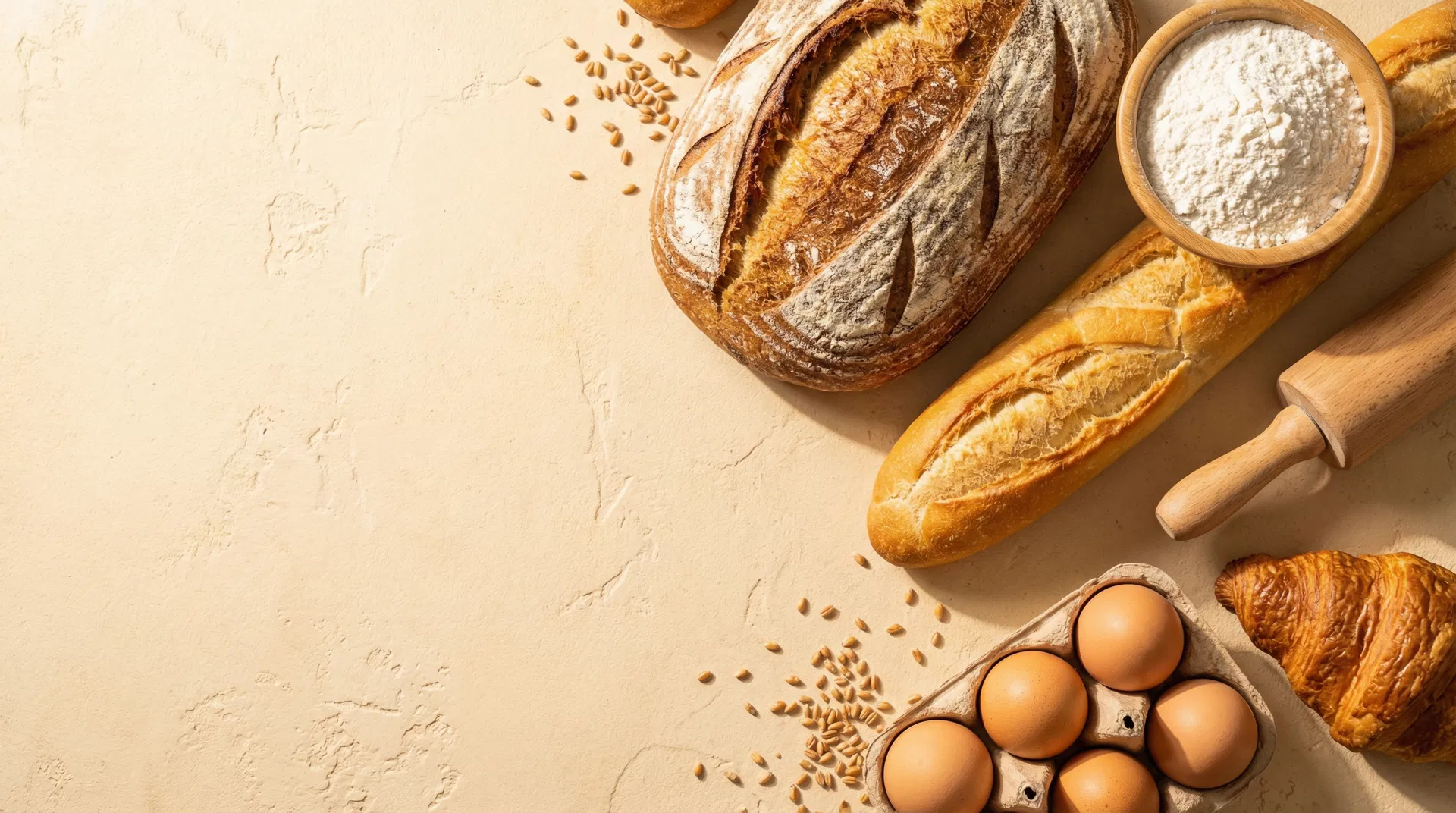
When wheat is ground between two stone wheels, the entire kernel is milled together. The bran, germ, and endosperm are all present in the final flour. This means the flour retains the natural oils from the germ (which contribute to flavour and go rancid quickly — hence the shorter shelf life of stone-milled flour), the fibre from the bran, and the full nutritional profile of the wheat.
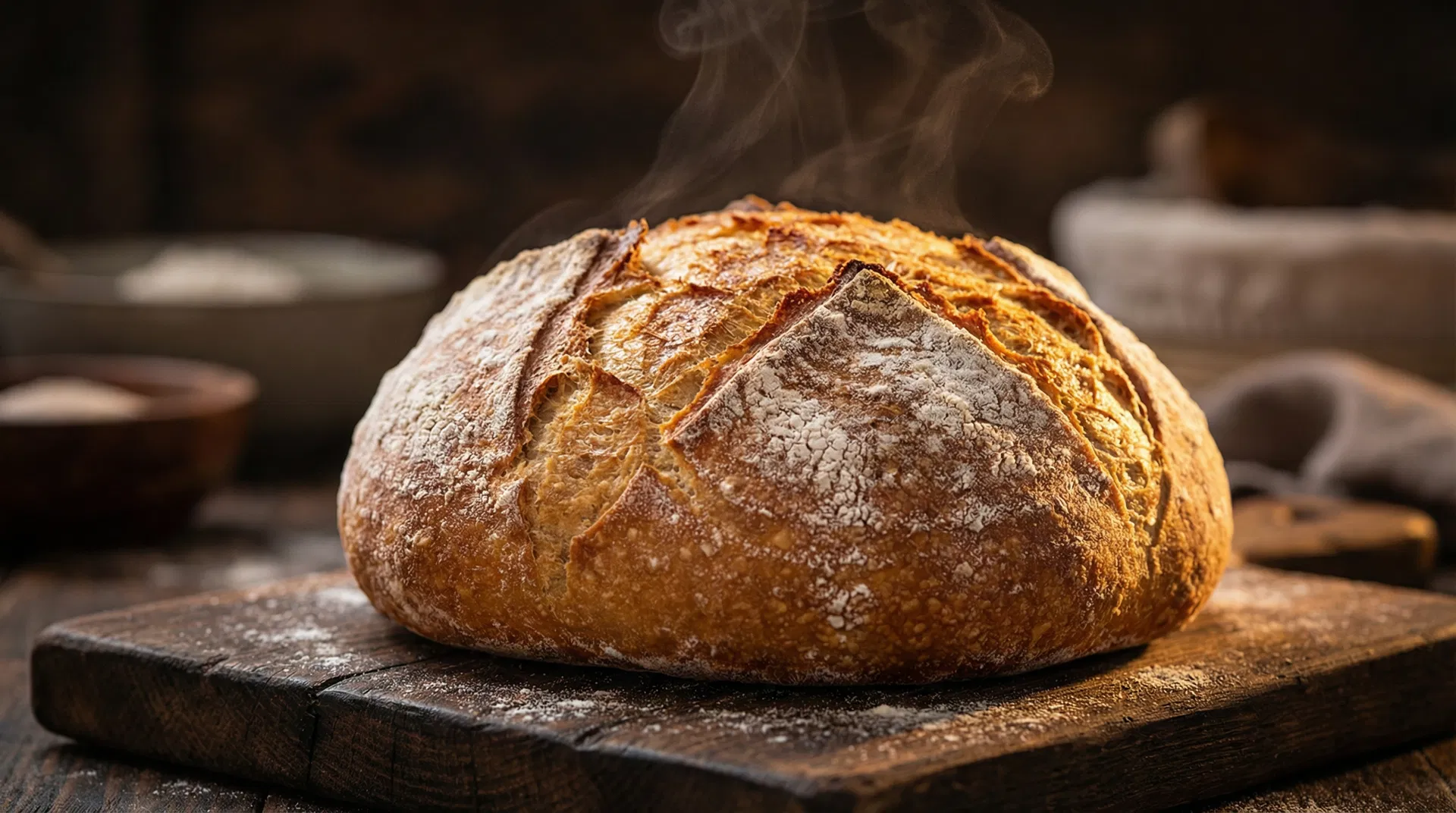
The flavour difference is immediately apparent. Stone-milled flour has a nuttiness and depth that white flour simply cannot replicate. It produces bread with more complexity, more character, and a more satisfying chew.
Where we source our flour
We work with a small mill in the Western Cape that sources heritage wheat varieties from local farmers. These are older cultivars — some of them pre-dating the Green Revolution — that have been selected for flavour rather than yield. They grow more slowly, produce less grain per hectare, and cost more. But the flour they produce is extraordinary.
Every bag of flour that arrives at our bakery is tested before it goes into production. We check the protein content, the hydration absorption, and the fermentation activity. Flour from different harvests behaves differently, and our bakers adjust their recipes accordingly.
The trade-off
Stone-milled flour has a shorter shelf life than white flour. The natural oils in the germ will eventually go rancid, which is why we order in small batches and use our flour within two weeks of milling. This adds complexity to our supply chain, but it's a trade-off we're happy to make.
Good bread starts with good flour. And good flour starts with good wheat, milled the right way. It's that simple.
ORDER FRESH TODAY
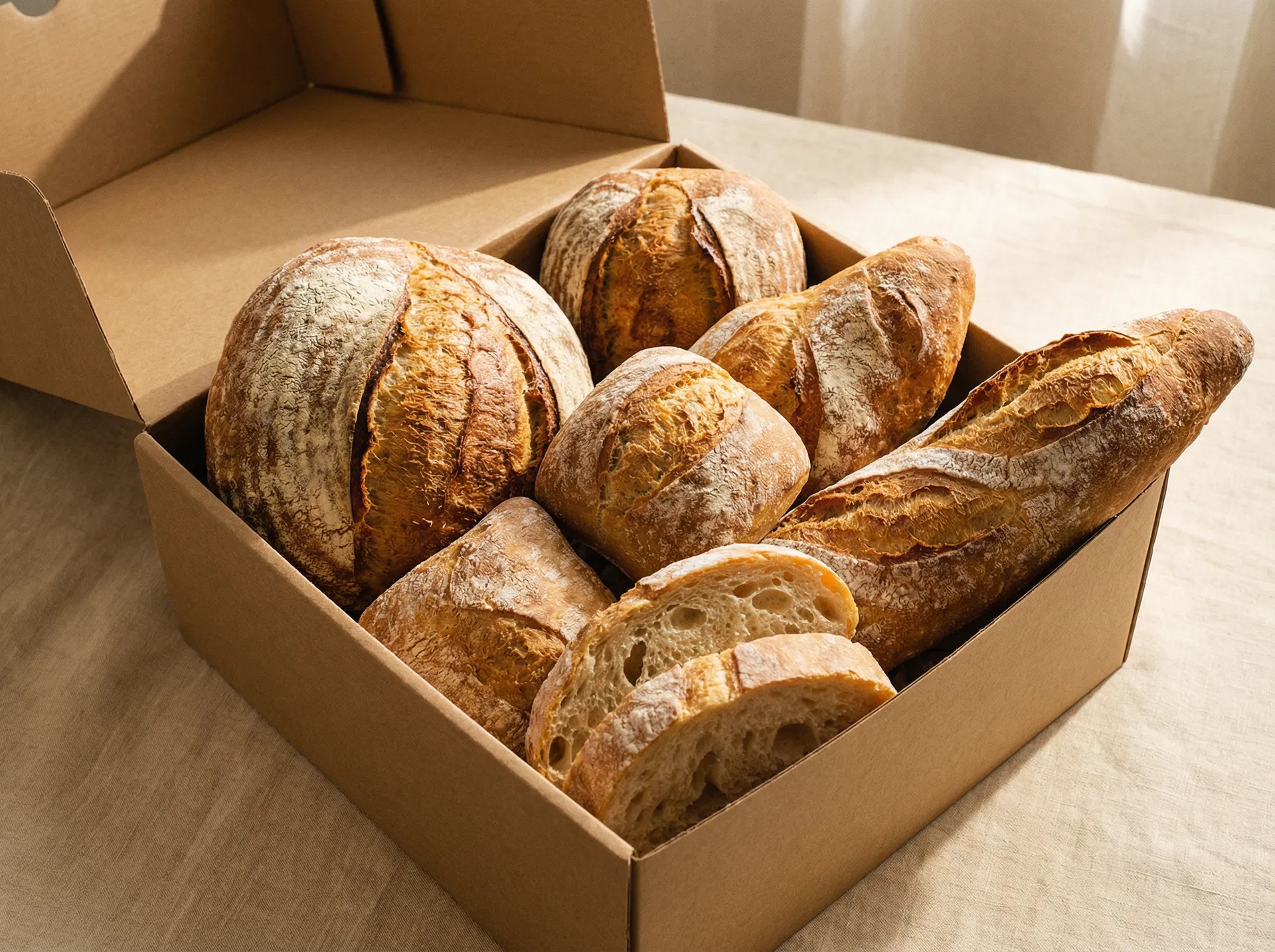
Inspired to taste the real thing? Order a delivery box and get fresh bread at your door.
Shop Now