There's a reason our sourdough tastes different. It's not a secret ingredient or a fancy technique — it's simply time. While most commercial bakeries use fast-acting yeast to turn dough into bread in under two hours, we let our sourdough ferment for a full 48 hours before it ever sees the inside of an oven.
Slow fermentation is the cornerstone of everything we do at The Daily Bread. Our starter — a living culture of wild yeast and bacteria that we've been nurturing for over three years — is what gives our bread its signature tang, its open crumb, and its remarkable shelf life.
**What actually happens during fermentation?** When flour and water meet our starter, the wild yeast begins consuming the sugars in the flour, producing carbon dioxide (which makes the dough rise) and ethanol (which contributes to flavour). Simultaneously, lactic acid bacteria produce lactic and acetic acids — the compounds responsible for that characteristic sourdough tang.
The longer this process runs, the more complex the flavour becomes. Short fermentation produces a mild, slightly sweet bread. Extended fermentation — the kind we practice — produces a bread with layers of flavour: earthy, tangy, slightly nutty, with a crust that crackles when you cut it.
The nutritional case for slow bread
Beyond flavour, slow fermentation has real nutritional benefits. The extended acidification process breaks down phytic acid — an antinutrient found in wheat that can inhibit the absorption of minerals like iron, zinc, and magnesium. This means our sourdough is not only more digestible, but the nutrients in the wheat are more bioavailable.
Many people who struggle with commercially produced bread find that they can eat sourdough without discomfort. The long fermentation pre-digests some of the gluten proteins, making the bread gentler on the gut.
Our process, step by step
We begin each batch by refreshing our starter the evening before. By morning, it's active and bubbly — ready to leaven a new batch. We mix our dough using stone-milled whole wheat and high-protein bread flour, then let it rest for 30 minutes (a process called autolyse) before adding the starter and salt.
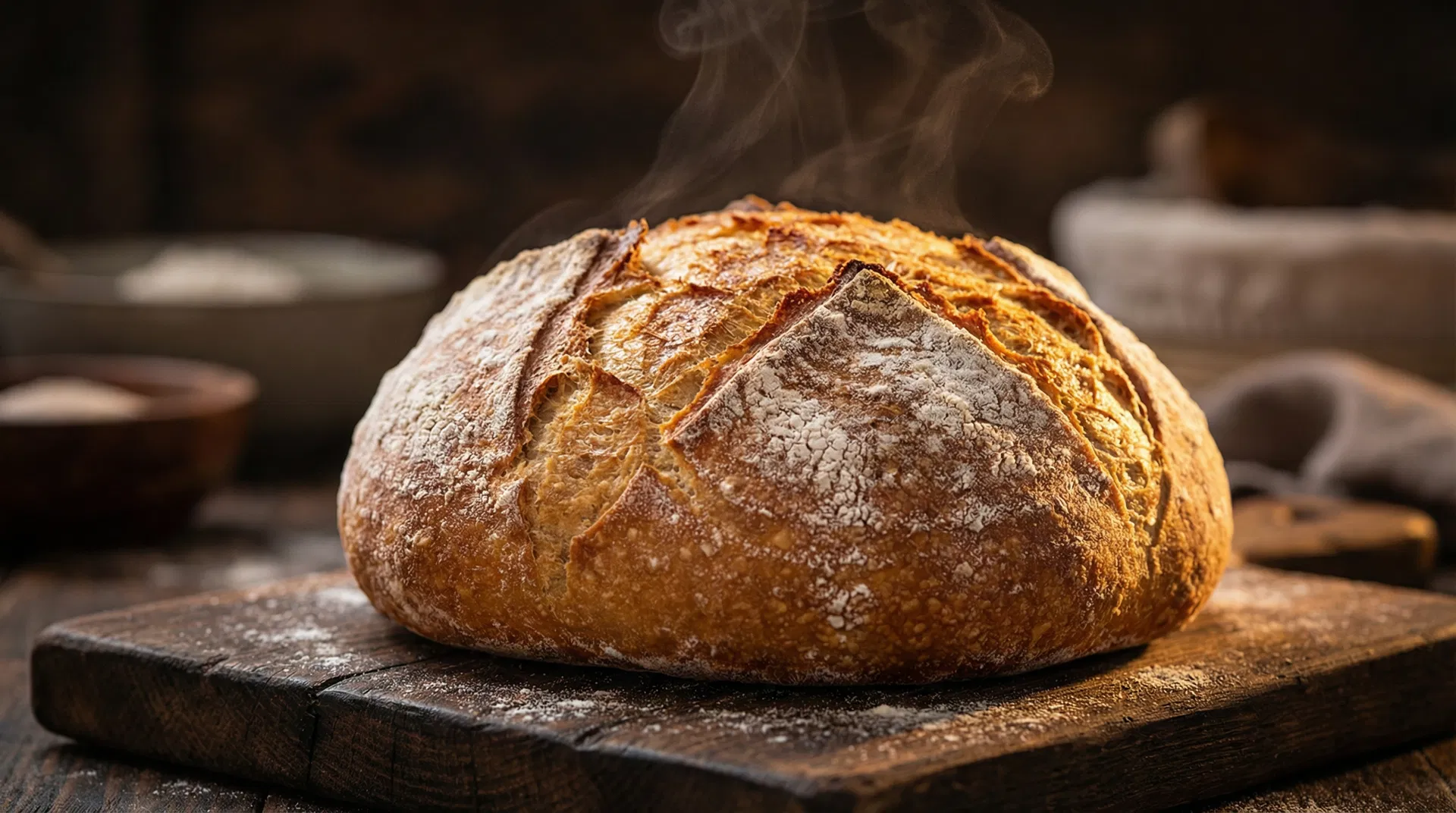
Over the next four hours, we perform a series of gentle folds to develop the gluten structure. The dough then goes into the fridge for a cold retard — a slow, overnight fermentation at 4°C that develops flavour without over-proofing. The next morning, we score and bake each loaf in our deck oven at 250°C with steam injection to achieve that signature blistered crust.
The result is a loaf that took two days to make, but will be on your table within hours of coming out of the oven. That's the promise of The Daily Bread — and it's a promise we take very seriously.
ORDER FRESH TODAY
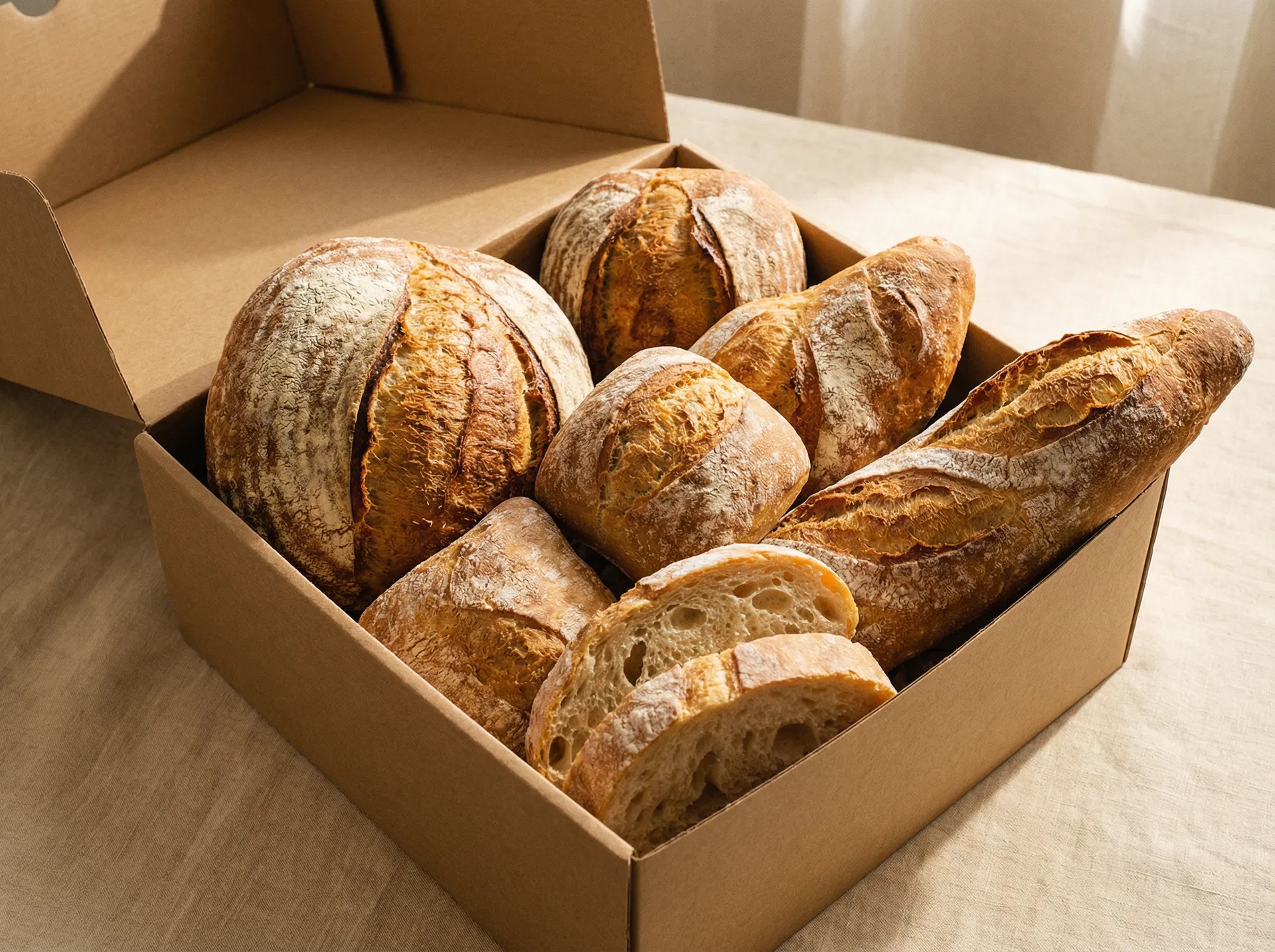
Inspired to taste the real thing? Order a delivery box and get fresh bread at your door.
Shop Now